Rooters: The Handwritten Font for Authentic Brand Connections
There's a moment when you're designing a logo, a wedding invitation, or packaging for a new product, and you realize the font you've chosen feels cold. It's technically correct, but it lacks the human touch that makes a design feel relatable and memorable. This is where a typeface like Rooters steps in. As a handwritten font, it doesn't just display letters; it conveys personality, warmth, and a sense of handcrafted authenticity that can transform a project from ordinary to genuinely engaging.
A Typeface with a Human Touch
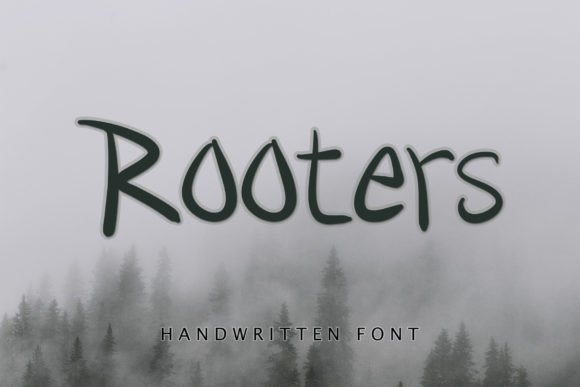
Rooters isn't about mimicking perfect calligraphy. It has a natural, slightly imperfect flow that feels like it was written by a real person with a steady hand and a creative spirit. The letterforms have a casual elegance, with just enough variation in stroke weight and baseline to give it life without sacrificing clarity. This balance is key. It’s expressive enough to stand out in a logo or on a greeting card, yet legible enough for short blocks of text on a website or in a social media graphic. It’s the kind of creative font that adds instant character.
Think about the brands you love that feel approachable. Often, their visual identity uses typography that feels personal. Rooters fits perfectly into that space. It’s a premium font designed for projects where connection matters more than corporate formality. For a small business owner creating their brand identity, or a blogger designing a header image, this typeface can become the visual voice that speaks directly to the audience.
Practical Applications: From Screen to Print
The versatility of a well-crafted handwritten font like Rooters is where its true value lies. It’s a design asset that can work across dozens of contexts. In packaging design, for instance, it can make a artisanal product feel handmade and special. Imagine it on a label for small-batch jam or craft coffee—the font immediately tells a story of care and quality.
For digital creators, Rooters shines in social media graphics. A quote overlay on an Instagram story or a bold headline on a Pinterest pin becomes instantly more shareable when it has that authentic, hand-lettered feel. It grabs attention in a crowded feed because it doesn’t look like a generic template. Similarly, on a website or blog, using Rooters for key headings or pull quotes can break the monotony of standard web fonts and guide the reader’s eye to the most important information.
Don’t overlook print and merchandise. This font is perfect for wedding invitations, event posters, and book titles where you want to evoke a specific mood—be it rustic, whimsical, or heartfelt. For entrepreneurs developing product lines, it’s an excellent choice for T-shirt designs, tote bags, or mug prints. The font carries its own personality, which can help merchandise feel cohesive and designed with intent.
Making Smart Design Choices with Rooters
Having a great font is one thing; using it effectively is another. A common mistake is overusing a display or script font. Rooters is best used for impact—headlines, logos, short phrases—rather than for long paragraphs. Its strength is in display roles where its personality can be fully appreciated without causing reader fatigue.
Pairing is critical. A handwritten font like Rooters creates a beautiful contrast when set against a clean, simple sans serif font. The sans serif handles the body text, ensuring readability, while Rooters adds flair and emphasis to the headings. This combination creates a professional presentation that feels both polished and personal. Always test your font pairings in the actual context of your design—see how they look together on a mockup of a business card, a website homepage, or a product label.
Readability should always be a priority, even with expressive fonts. Check how Rooters looks at different sizes, especially on mobile screens. Ensure that the letter spacing and line height are adjusted for the medium. The good news is that many modern premium fonts, including Rooters, often come with multiple styles or weights, giving you more control. Reviewing the full character set and any included alternates or ligatures can help you fine-tune the look for your specific project.
Aligning Font with Brand and Audience
Choosing a font is a strategic decision, not just an aesthetic one. The style of typography you select should align with your project goals and your audience’s expectations. A handwritten font like Rooters communicates informality, creativity, and approachability. It’s ideal for brands targeting a younger demographic, or for businesses in the lifestyle, food, wedding, or creative arts sectors. It might not be the right fit for a law firm’s annual report, but it’s perfect for a boutique’s marketing materials.
For content creators and marketers, using a consistent font like Rooters across platforms helps build brand recognition. When your audience sees that distinctive handwritten style on your Instagram post, your YouTube thumbnail, and your email newsletter, they start to associate it with your content. This visual consistency is a powerful tool for building a memorable brand identity.
Finally, always consider the practical side: licensing. If you’re using Rooters for a commercial project—like client work, merchandise for sale, or a business website—ensure you have the appropriate commercial license. This is a standard part of using design assets professionally and protects both you and the font creator.
In the end, Rooters offers more than just letters on a page. It offers a way to infuse your projects with a human, crafted sensibility that resonates. Whether you’re a designer crafting a client’s logo, an entrepreneur building a brand, or a hobbyist creating something special, it provides the tools to make your work feel authentic, engaging, and unmistakably yours.