Grave: The Distressed Serif Font for Authentic Branding
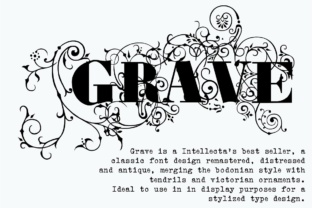
There’s a certain weight to the past. It’s in the texture of old leather, the faded ink of a century-old letter, the worn stone of a historic building. In design, we often chase that same sense of history and authenticity, a visual shortcut to trust and timelessness. This is where a typeface with genuine character becomes more than just letters on a screen; it becomes a storytelling device. One such tool, a premium font that has earned its place in many designers’ arsenals, is Grave. This isn't a sterile, modern typeface. It’s a Victorian-inspired serif font, deliberately remastered and distressed to carry the subtle imperfections and noble wear of an antique artifact. Its personality is one of established elegance, rustic charm, and a touch of gothic drama, making it a powerful choice for projects that need to feel rooted, substantial, and rich with narrative.
Where History Meets Modern Design Needs
Understanding a font’s personality is the first step, but the real magic happens when you apply it to tangible projects. Grave’s distressed texture and serif construction make it incredibly versatile across mediums. Think about a craft brewery’s label. Using Grave for the brand name instantly communicates heritage, craftsmanship, and a recipe passed down through generations. The same font on a coffee shop’s menu board or a specialty food’s packaging design transforms a simple product into an artisanal experience. In logo design, it helps a brand establish an identity that feels both classic and distinctive, standing apart from the clean, minimalist sans-serif logos that dominate many sectors. It tells customers, “We have a story. We value tradition.”
This antique aesthetic translates seamlessly to the digital realm. For a website, Grave can be used sparingly for impactful headlines or pull quotes, setting a thematic tone without sacrificing the readability of body text (which is better served by a clean sans-serif or a simple serif). On social media graphics, it stops the scroll. A quote card, a promotional announcement, or a podcast cover using this display font gains immediate visual interest and depth. It’s a creative font that adds a layer of sophistication to Instagram stories or Facebook ads, making the content feel more considered and valuable. Even in digital products like PDF guides, e-books, or online course materials, using Grave for chapter titles or section headers elevates the perceived quality, making the information feel more authoritative and worth the reader’s time.
The Practical Side of Choosing an Antique Typeface
Adopting a font like Grave requires a thoughtful approach to ensure it enhances rather than hinders your project. The first consideration is font pairing. Because Grave is a high-character display font, it should not be paired with another expressive typeface. The goal is balance. Its distressed serif form finds harmony with simple, geometric sans-serif fonts like Montserrat, Lato, or Open Sans. These pairings allow Grave to command attention in headlines while the partner font ensures body copy remains crisp and highly readable. Avoid pairing it with overly ornate script or handwritten fonts, as this can create visual chaos and undermine the professional presentation of your design.
Readability is paramount, especially in longer applications. While perfect for logos, titles, and short phrases, using Grave for an entire paragraph of small text can become visually taxing. The very texture that gives it charm can blur into a noisy field at small sizes. Always test your typography at the intended scale. For a poster, where viewing distance is greater, larger point sizes work beautifully. For a website header, ensure the color contrast between the text and background is strong to preserve the integrity of its letterforms. This attention to detail is what separates a good design from a great one, ensuring your audience engages with your message rather than struggling to decipher it.
Building a Cohesive Brand Identity
Consistency is the cornerstone of strong brand recognition. When you select a font like Grave, you’re not just picking letters; you’re adopting a visual voice. Using it consistently across all touchpoints—from your business card and invoice template to your website and social media profiles—reinforces your brand’s personality. Every time a customer sees that distinct typeface, it reinforces the same feeling: reliability, craftsmanship, and a connection to history. This builds a subconscious familiarity and trust that is invaluable for any small business or creative entrepreneur.
Before committing to any commercial font for a client or your own brand, the non-negotiable step is reviewing the license. Grave, like other premium fonts, comes with specific terms for use. Understand whether the license covers the number of users, the types of projects (like merchandise for sale), and the platforms you intend to use it on. This isn’t just legal boilerplate; it’s a crucial part of professional practice that protects you and your client. Ensuring you have the correct commercial font license allows you to use this design asset with full confidence, whether you’re printing 500 wedding invitations or launching a global product line.
A Tool for Storytelling
Ultimately, typography is an invisible narrator. The fonts we choose whisper context and emotion to our audience before they even read a word. Grave, with its intentional distressing and Victorian roots, tells a story of endurance, authenticity, and curated detail. It’s a best-selling decorative font for a reason: it solves a very specific and common design challenge—how to impart a sense of age and legitimacy in a fresh, digital context. Whether you’re a designer crafting a brand identity, a blogger designing a themed header, or a marketer creating an ad campaign with a vintage twist, this typeface offers a direct path to a richer, more textured visual language. It reminds us that sometimes, the most compelling designs are those that feel like they’ve been around for a while, quietly earning their place in the world.