Discover the Timeless Allure of Vintage Crystal Typography
There’s a certain magic that happens when a design feels both luxurious and personal, like a handwritten note on expensive stationery or an invitation that promises something truly special. Capturing that blend of elegance and intimacy often comes down to the typography you choose. This is where a typeface inspired by the intricate beauty of diamond and rhinestone art enters the picture, offering a handwritten style that feels both refined and deeply personal.
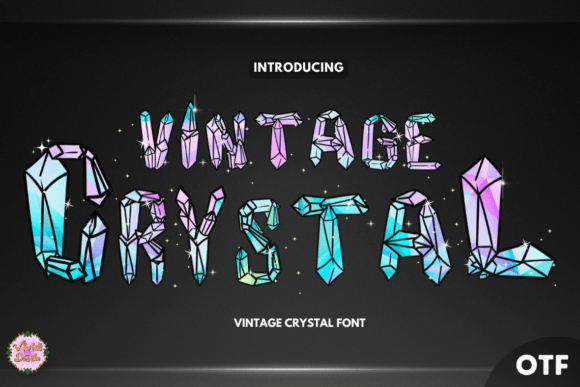
This particular premium font draws direct inspiration from the sparkle and precision of crystal artistry. Each letterform is crafted to mimic the graceful, flowing lines of hand lettering, but with a consistency and polish that elevates it beyond casual script. The visual appeal lies in its delicate strokes and subtle flourishes, which catch the eye much like light refracting through a faceted gem. It’s a display font that doesn’t shout for attention but instead commands it through sheer sophistication.
A Typeface for Moments That Matter
Where does a font like this find its home? Its strength is in projects where atmosphere and first impressions are paramount. Think of invitation design for weddings, galas, or milestone celebrations. The handwritten font quality makes each piece feel uniquely crafted, turning a simple card into a keepsake. It translates beautifully onto physical materials—embossed on thick card stock, foiled on envelopes, or printed on textured paper.
Beyond events, it’s a powerful tool for brand identity work. For a boutique jewelry brand, a high-end spa, or a luxury candle company, this typeface can become the cornerstone of a visual language. Used in a logo design, it instantly communicates craftsmanship, attention to detail, and a premium offering. Paired with a clean sans serif font for body text, it creates a harmonious balance between elegance and readability across all marketing assets.
Practical Applications Across Creative Projects
The versatility of this creative font is one of its greatest assets. Here’s how it can be integrated into a wide range of work:
- Packaging Design: Imagine this script gracing the label of a artisan chocolate box or the sleeve of a perfume bottle. It adds perceived value and a tactile, artisanal feel.
- Social Media Graphics: For Instagram quotes, story headers, or promotional banners, it helps content stand out in a crowded feed. It’s particularly effective for brands in the beauty, lifestyle, and event planning sectors.
- Web Design: Use it strategically for hero section headlines, call-to-action buttons, or navigation menu items on a luxury e-commerce site. It sets a tone before a visitor reads a single product description.
- Editorial Layouts: In magazines or lookbooks, it can be used for feature article titles, pull quotes, or chapter headings, adding a layer of editorial sophistication.
- Merchandise & Print: From tote bags and greeting cards to posters and art prints, the font’s graceful allure makes any piece feel like a design asset worth owning.
When working with a commercial font like this, always review the licensing terms. Most premium fonts come with licenses that allow for use across multiple projects, including client work and commercial products, but it’s crucial to confirm the specifics for your intended use, whether it’s for a small business or a large-scale campaign.
Making It Work: Pairing and Readability
A beautiful script font can lose its impact if it’s not used thoughtfully. The key is to treat it as an accent, not the entire voice of your design. Because it’s a display typeface with detailed character, it’s best suited for headlines, titles, and short phrases.
For body copy, you need a partner that complements without competing. A sturdy serif font can create a classic, timeless feel, while a geometric sans serif font offers a modern, clean contrast. The goal is to ensure readability for longer passages while letting the decorative font shine in its role.
Always test your font pairings in context. Create a mockup of your packaging design or social media graphic and view it at actual size. Check the spacing (kerning) between letters, especially in uppercase combinations, to ensure the flow feels natural. This hands-on testing is what separates a good design from a great one.
From Digital Canvas to Physical Product
The true test of a typeface is its performance across mediums. This font’s design, with its consistent stroke weight and careful spacing, ensures it translates well from a high-resolution screen to a printed surface. When used for logo design, it will maintain its integrity whether it’s embroidered on a polo shirt, etched onto a glass award, or displayed on a website favicon.
For digital products like e-books, worksheets, or online course materials, using this font for section titles can enhance the perceived quality of the content, making the user feel they’ve received something valuable. It’s a subtle cue that elevates the entire experience.
In the end, choosing a font is about more than aesthetics; it’s about communication. A typeface with this level of refined, modern typography character doesn’t just display words—it conveys a feeling of care, luxury, and timeless style. It’s a tool for designers, entrepreneurs, and creators who understand that every detail contributes to the story they’re telling. Whether you’re finalizing a brand identity system or crafting a one-of-a-kind invitation, incorporating a font with this kind of graceful allure can transform your work into a visually captivating and stylish expression that resonates with your audience.