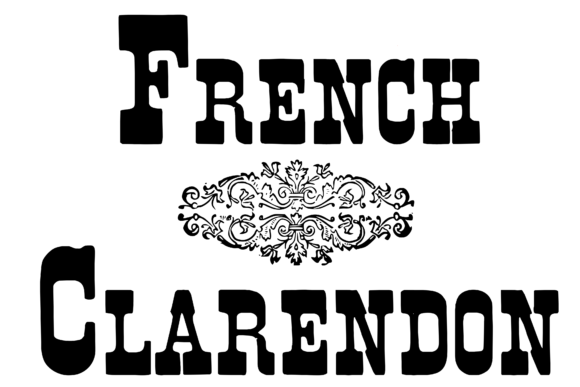
French Clarendon: A Vintage Typeface with Timeless Appeal
There's a certain magic in designs that feel both historic and fresh—like discovering a perfectly preserved letterpress print in a modern gallery. If you've been searching for a typeface that delivers that kind of distinctive character, French Clarendon might be exactly what your project needs. This isn't just another serif font; it's a design asset with a story to tell, blending ornate Victorian details with surprising versatility. Let's explore why this premium font is capturing the attention of designers, entrepreneurs, and creators who want their work to stand out.
Understanding the Character of French Clarendon
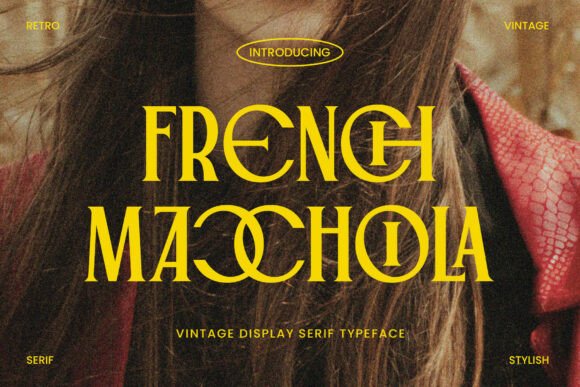
At its core, French Clarendon is a display serif font, meaning it's crafted to make an impact in headlines, logos, and prominent text. What sets it apart are its intricate details: think elegant swashes, subtle bracketing on the serifs, and a weight that feels substantial without being overwhelming. This typeface doesn't whisper; it confidently announces a brand's presence. Its visual personality leans toward the ornate and classic, reminiscent of vintage posters, old book covers, and timeless branding. Yet, when used thoughtfully, it can feel surprisingly contemporary, bridging the gap between heritage and modern design.
For anyone building a brand identity, choosing a font like this is a strategic decision. A distinctive typeface like French Clarendon can become a cornerstone of your visual consistency. When customers see that specific style across your logo, packaging, and social media graphics, it builds instant recognition. It tells them something about your brand's values—perhaps a commitment to craftsmanship, tradition, or a unique, artisanal quality. This is where typography moves beyond mere letters and becomes a powerful tool for brand storytelling.
Where This Vintage Font Truly Shines: Practical Applications
Theory is one thing, but where does a font like French Clarendon actually work best in real-world projects? Its strength lies in applications where personality and first impressions are paramount. Think of it as the headline act for your design, not the supporting background player.
For logo design and branding, French Clarendon can be the hero element. It's perfect for businesses that want to convey a sense of established quality, history, or artistic flair—a boutique hotel, a craft distillery, a heritage clothing label, or a creative agency. In packaging design, especially for products like gourmet foods, cosmetics, or luxury goods, the font's intricate details can elevate the unboxing experience, making the product feel more premium and considered.
On the digital side, it's a powerhouse for social media graphics and websites. A bold header set in French Clarendon can stop the scroll on Instagram or Pinterest, giving your feed a cohesive and professional look. For editorial layouts, blogs, and digital products like e-books or online courses, using it for chapter titles or key pull quotes adds a layer of visual interest and sophistication that engages readers. Don't overlook print materials and merchandise either—think event posters, wedding invitations, business cards, or even branded apparel. This is a creative font that translates beautifully from screen to physical product.
Pairing and Practicality: Making French Clarendon Work for You
Using a strong display font effectively requires some thoughtful pairing. You wouldn't use two loud voices in the same conversation. The rule of thumb here is contrast and balance. French Clarendon works beautifully alongside a clean, simple sans serif font for body text. This pairing ensures your headlines have all the decorative flair they need, while longer paragraphs remain highly readable. It also complements many script and handwritten fonts, creating a dynamic and layered typographic hierarchy.
Before committing, always test your font pairings in context. Type out a sample headline and a paragraph of body copy. Check the readability on different screen sizes and in print. Does the chosen body font complement or compete? Does the overall look align with your project's goals? This simple step can save hours of redesign later.
Another practical consideration is reviewing the included font styles. A premium font family like this often comes with multiple weights (e.g., Regular, Bold, Italic) and potentially stylistic alternates or ligatures. Exploring these options gives you more creative control. You can use a lighter weight for a more delicate feel or the bold weight for maximum impact. Always check the commercial licensing as well. For any project that involves selling a product or service—from a small business logo to merchandise—you need to ensure you have the proper license for commercial use. This is a non-negotiable part of using any design asset professionally.
Elevating Your Project with Intentional Typography
Ultimately, the goal of any design choice is to communicate more effectively. French Clarendon isn't just about looking old-fashioned; it's about using a specific visual language to connect with your audience on an emotional level. It can help improve the professional presentation of your work, making it look polished and intentional. When typography feels right, it builds trust and engages your audience without them even realizing why.
Whether you're a small business owner crafting your first brand identity, a designer looking for a standout typeface for a client project, or a content creator aiming to make your digital products more memorable, exploring a font with this much character is a worthwhile endeavor. It reminds us that in a world of minimalism, there's still a powerful place for detail, ornament, and a touch of vintage charm. The key is to use it with purpose, letting its unique personality tell a story that aligns with your own.