Why Designers Keep Reaching for the Game Typeface
You know that moment when you're scrolling through a feed, or walking down an aisle, and something just stops you? It's not always a photo or a logo. Sometimes, it's a feeling created by a specific arrangement of letters. That's the quiet power of a well-chosen typeface, and it's exactly why the Game font has become a go-to for so many creators. It’s not just a collection of glyphs; it’s a design tool with a distinct personality that can inject a sense of cool, custom craftsmanship into almost any project.
Capturing a Vibe: What Makes This Font Tick
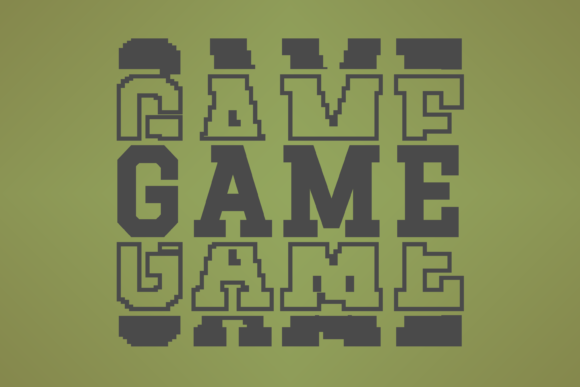
At its core, Game is a display font that leans into a bold, slightly geometric, and undeniably modern aesthetic. Think of it as the typographic equivalent of a perfectly worn-in leather jacket—it has character, edge, and a timeless cool factor. Its letterforms are clean but not sterile, with just enough unique quirks to make it stand out from the crowd of generic sans serif fonts. This isn't about being the loudest in the room; it's about being the most confident. The visual appeal lies in its balance: it’s strong enough to command attention in a headline, yet legible enough for shorter blocks of text where you want to make a statement.
Where Game Truly Shines: Real-World Applications
The true test of any premium font isn't how it looks on a specimen sheet, but how it performs in the wild. This is where Game proves its versatility across a stunning range of projects, becoming a secret weapon for visual consistency.
For brand identity, it’s a powerhouse. Imagine a new streetwear label, a boutique coffee roaster, or an indie game studio. Game can form the backbone of their logo, instantly conveying a specific brand personality—urban, artisanal, innovative. This same font can then flow seamlessly into all marketing assets, from business cards to website banners, creating a cohesive look that builds instant recognition.
In packaging design, it grabs attention on a crowded shelf. Whether it’s a hot sauce label, a craft beer can, or a minimalist skincare box, the font adds a layer of perceived quality and intentional design. For social media graphics, it’s a game-changer. Its bold presence cuts through the noise of a fast-scrolling feed, making quotes, announcements, and sale promotions pop with professional flair. It translates beautifully to web design for impactful hero sections and navigation menus, and it brings a dynamic energy to editorial layouts in magazines or lookbooks.
Beyond the digital, Game excels in the physical world. It’s perfect for print materials like event posters, invitations for launches or parties, and merchandise like t-shirts and tote bags. Its versatility even extends to digital products—think e-book covers, course graphics, or PDF guides where a touch of personality is needed.
Beyond the Basics: Practical Tips for Using Game
Finding a great font is half the battle; using it effectively is the other. Here’s how to get the most out of this creative font in your workflow.
Choose Your Style Wisely. Most quality display fonts like Game come in multiple weights and styles. Don’t just default to the regular version. A bold weight can amplify impact for a logo, while a lighter weight might be perfect for elegant subheadings. Review all the included styles to see how they can work together within a single project.
Master the Art of Font Pairing. A display font rarely works alone. The magic happens when you pair it with a complementary typeface. For a clean, professional look, pair Game with a simple, highly readable sans serif font for body copy. If your project has a more classic or editorial feel, try coupling it with a sophisticated serif font. The contrast creates visual hierarchy and keeps the design from feeling monotonous.
Never Sacrifice Readability. This is non-negotiable. While Game is legible for headlines and short text, avoid setting long paragraphs in it. Its primary role is to attract the eye. Use it for titles, pull quotes, and calls-to-action, then switch to a more neutral font for the detailed information your audience needs to absorb comfortably.
Consider the Commercial License. This is a crucial, practical step. If you’re using Game for a client project, on merchandise for sale, or in a logo design that will be trademarked, you must ensure you have the correct commercial license. Always check the license details before finalizing any professional work to avoid legal headaches down the line.
A Tool for Connection, Not Just Decoration
Ultimately, choosing a typeface like Game is about more than just aesthetics; it’s about communication. It’s a deliberate choice to inject a specific mood and level of professionalism into your work. In a world saturated with content, having a reliable, distinctive design asset in your toolkit helps you create visuals that don’t just get seen, but get remembered. It helps you build a brand that feels cohesive and intentional, whether you’re a solo entrepreneur crafting your first product line or a designer developing a full campaign. The right typography doesn’t just decorate a message; it helps deliver it with clarity and impact.