Homin: The Stacked Typeface for Bold Branding
There’s a particular kind of frustration that hits when you’re finalizing a mood board or tweaking a logo, and the typography just feels… flat. You have the color palette, the imagery, and the concept, but the font lacks the architectural weight to hold the design together. If you’ve been searching for that perfect balance between structural geometry and modern sophistication, you might have just found your new secret weapon. Homin isn’t just another typeface; it is a statement piece designed for visual communication that demands attention without screaming for it. It brings a unique, stacked aesthetic that offers a fresh take on modern typography, moving away from the standard wide kerning we see everywhere and embracing a more compact, powerful silhouette.
The Geometry of Modern Communication
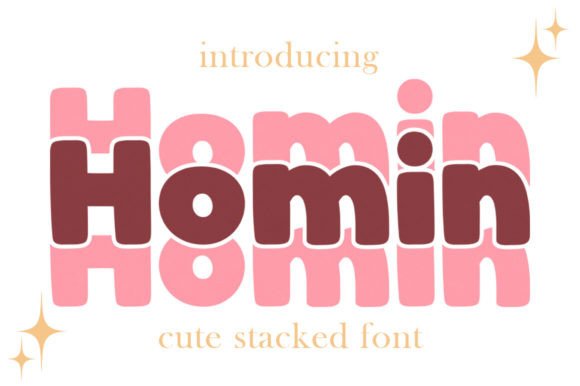
What makes Homin visually distinct is its architectural quality. When we talk about a "stacked" font, we are referring to how the characters interact with each other vertically. Unlike traditional serif fonts or wide sans serif fonts that prioritize horizontal flow, Homin utilizes vertical space to create a sense of height and elegance. This makes it an incredibly effective display font for situations where you need to pack a punch in a small amount of space.
Think about the constraints of modern design. We are often working within vertical mobile screens, square Instagram posts, or tight packaging labels. A standard typeface might require you to shrink the text size to fit, losing legibility in the process. Homin solves this by embracing its structure. The characters fit together like bricks in a wall, creating a dense, readable block of text that looks intentional and designed. It bridges the gap between a bold logo design tool and a functional headline font, offering a clean, contemporary look that feels both artistic and highly professional.
From Screen to Shelf: Practical Applications
The versatility of a creative font lies in its ability to adapt to different mediums without losing its soul. Homin excels here because its aesthetic is distinct enough to be memorable, yet clean enough to be functional.
Branding and Identity: If you are building a brand identity for a client—or your own business—consistency is key. Homin works beautifully for lifestyle brands, architectural firms, and fashion labels. Imagine a business card where the name is set in Homin. The stacked nature of the letters creates an immediate focal point, conveying stability and modern style. It pairs exceptionally well with minimal sans serif fonts for body text, allowing the headers to take center stage.
Social Media and Digital Content: Content creators and marketers know the struggle of "thumb-stopping" content. On platforms like Instagram or TikTok, you have milliseconds to capture attention. Using Homin for social media graphics—particularly for quotes, announcements, or carousel covers—gives your feed a cohesive, editorial look. Because the font has a strong vertical presence, it works incredibly well for mobile-first design, ensuring your message is legible even on smaller screens.
Packaging and Merchandise: For small business owners selling physical goods, packaging is your silent salesperson. Whether you are designing a sleek coffee bag, a minimalist candle label, or apparel tags, Homin provides that high-end feel. It suggests that the product inside is curated and quality-tested. It works particularly well on merchandise like tote bags or posters where the typography is the design.
Mastering Font Pairings and Hierarchy
One of the biggest hurdles in design is pairing fonts. A display font like Homin is a star player, but it needs a supporting cast to handle the heavy lifting of long-form text. Because Homin has such a strong personality, you want to avoid pairing it with other "loud" fonts. Instead, look for balance.
A great strategy is to pair Homin with a clean, geometric sans serif font. If Homin is your headline, use a font like Montserrat, Helvetica, or a modern grotesque for your sub-headers and body copy. This creates a clear visual hierarchy: Homin grabs the eye and establishes the mood, while the secondary font delivers the detailed information with maximum readability.
When using Homin, pay attention to spacing. While the font is designed to be compact, you might want to play with the tracking (letter spacing) depending on the background. On a busy background image, keeping the tracking tight helps the text read as a solid shape. On a clean, white background, slightly increasing the tracking can enhance the elegant, airy feel of the design.
Strategic Typography for Professional Growth
Typography is often the unsung hero of conversion rates. A mismatched font can make a website look amateurish, causing visitors to bounce. By integrating a premium font like Homin into your digital assets, you signal professionalism to your audience. It’s not just about looking pretty; it’s about building trust.
For entrepreneurs and freelancers, presenting a pitch deck or a proposal using a cohesive font system can make the difference between landing a client and getting passed over. Homin offers that "agency-level" polish that many small businesses struggle to achieve with standard system fonts. It allows you to create marketing assets—such as brochures, flyers, and email headers—that look custom-crafted.
However, always consider your specific use case. If your project involves long-form reading, such as an e-book or a dense blog post, Homin is best reserved for chapter titles and pull quotes. Its strength lies in impact, not in sustaining a reader's eye over ten pages of copy. Use it where you want to inject personality and energy.
Choosing the Right Style for Your Project
Before purchasing any commercial font, it is essential to review the included font styles and licensing. A robust typeface family will often include variations in weight (Light, Regular, Bold, Black) and sometimes stylistic alternates.
Check if the specific style of Homin you are interested in includes the characters you need for your language support. Furthermore, understanding the licensing is crucial for commercial projects. If you are designing a logo for a client, you generally need a license that permits logo usage (embedding). If you are creating digital products like templates to sell on Etsy or Creative Market, you will need an extended license that permits distribution. Always read the End User License Agreement (EULA) to ensure your usage is covered, protecting both your business and your client’s.
Ultimately, choosing a font like Homin is about investing in your visual language. It is about moving beyond the default options and curating a design system that truly represents the quality of your work. Whether you are designing a movie poster, a wedding invitation, or a new brand identity, taking the time to experiment with Homin’s unique geometry will undoubtedly elevate your final product.