Daddy Planner: The Font That Feels Like a Warm Hug
There's something undeniably comforting about a font that feels both familiar and fresh. You know the type—it catches your eye without trying too hard, carries personality without sacrificing clarity, and somehow makes any project feel more approachable. That's exactly what you get with Daddy Planner, a beautifully crafted typeface that balances soft, distinctive strokes with remarkable versatility. Whether you're designing a logo for a new café, creating social media graphics for your small business, or putting together invitations for a special event, this font brings a unique warmth that resonates with audiences across different creative fields.
Understanding the Visual Character of This Typeface
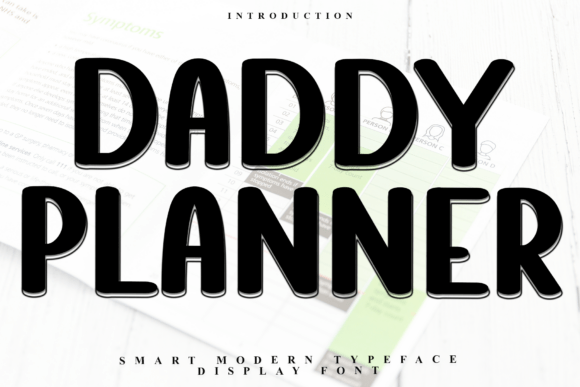
What makes Daddy Planner stand out in a sea of modern typography? It starts with the details. The font features soft, rounded edges that give it a friendly, approachable feel—think of it as the typographic equivalent of a cozy sweater. Each character has been designed with careful attention to flow and balance, creating a sense of natural movement that feels organic rather than mechanical. The strokes are neither too thin nor too bold, striking that sweet spot where readability meets aesthetic appeal.
Unlike many display fonts that prioritize style over substance, this typeface maintains excellent legibility at various sizes. The letter spacing feels intentional, allowing words to breathe without appearing cramped or overly spaced out. It's the kind of font that works beautifully as a headline on a poster but also holds its own in shorter body text passages. The included character set is comprehensive, offering designers the flexibility to use it across multiple languages and contexts without running into missing glyphs or awkward substitutions.
From a designer's perspective, what I appreciate most is how the font manages to be distinctive without being distracting. Some creative fonts scream for attention and overwhelm the content they're meant to support. Daddy Planner takes a different approach—it enhances your message rather than competing with it. This quality alone makes it an incredibly valuable asset in any designer's toolkit, especially when working on projects where the typography needs to complement rather than dominate the overall visual composition.
Practical Applications Across Creative Projects
The versatility of this font really shines when you start applying it to real-world projects. Let's talk about branding first. If you're building a brand identity for a lifestyle blog, a boutique shop, or a creative service, the soft, unique character of Daddy Planner helps establish an emotional connection with your audience. It communicates approachability and creativity simultaneously—qualities that many small businesses and entrepreneurs want to project. When used consistently across your logo, website headers, and marketing materials, it becomes a recognizable element of your brand's visual language.
For packaging design, this typeface works wonderfully for products that want to convey a handmade, artisanal, or personal touch. Imagine it on labels for homemade candles, organic skincare products, or specialty food items. The natural, organic feel of the letterforms reinforces the idea that there's genuine care behind the product. It's equally effective for digital products—think e-book covers, online course materials, or downloadable planners (fitting, given the name). The font's clean lines ensure it reproduces well in both print and digital formats, which is crucial when your work needs to look polished across multiple mediums.
Social media graphics benefit enormously from fonts with personality, and this is where Daddy Planner truly excels. Instagram stories, Pinterest pins, Facebook covers, and YouTube thumbnails all demand typography that stops the scroll. The distinctive strokes of this font create visual interest that makes your content stand out in crowded feeds. Pair it with a clean sans serif font for body text, and you've got a winning combination that looks professional yet approachable. For bloggers and content creators, this kind of typographic consistency across platforms helps build recognition and trust with your audience over time.
Making Smart Typography Choices for Your Projects
Choosing the right font for a project goes beyond simply picking something that looks nice. You need to consider your audience, your message, and the context in which your design will be viewed. A font like Daddy Planner works best when you're targeting audiences who appreciate warmth, creativity, and authenticity. It's particularly effective for projects aimed at families, creative communities, lifestyle brands, and anyone who values a personal touch in their visual communication.
One practical tip: always test your font pairings before committing to a final design. Daddy Planner pairs beautifully with clean sans serif fonts like Montserrat or Open Sans for body text. The contrast between its distinctive character and a straightforward, neutral companion font creates visual hierarchy that guides the reader's eye naturally. Avoid pairing it with other ornate or highly stylized fonts, as this can create visual clutter and reduce readability. The goal is to let each font do its job—one for personality, one for clarity.
Readability should always be a priority, especially when your design includes longer passages of text. While this font handles headlines and short text blocks beautifully, consider using a more traditional body font for paragraphs that exceed two or three lines. This approach maintains the visual appeal of your design while ensuring your audience can comfortably consume your content. It's a simple adjustment that makes a significant difference in how professional and polished your final product appears.
Integrating This Font Into Your Design Workflow
Compatibility matters when you're investing in design assets, and Daddy Planner delivers here as well. The font works seamlessly across Windows and open-source platforms, which means you can use it whether you're working in Adobe Creative Suite, Canva, Figma, or other popular design applications. This cross-platform flexibility is especially valuable for teams where different members might use different software or operating systems. You won't waste time troubleshooting compatibility issues or searching for workarounds.
Before using any font in commercial projects, always review the licensing terms carefully. Understanding what's permitted—whether it's for personal use, commercial use, or both—protects you legally and ensures you're using the asset appropriately. Many premium fonts come with clear licensing agreements that outline exactly how you can use the typeface across different applications, from merchandise and print materials to digital products and marketing assets. Taking a few minutes to read through these details upfront saves potential headaches down the road.
When incorporating this typeface into your existing design system, consider creating a simple style guide that specifies where and how you'll use it. Define which hierarchy levels it will occupy—perhaps headlines and call-to-action text—while reserving other roles for complementary fonts. This structured approach to typography helps maintain visual consistency across all your brand touchpoints, from your website and email templates to your business cards and social media profiles. Consistency builds recognition, and recognition builds trust with your audience.
The beauty of a well-crafted font like Daddy Planner lies in its ability to elevate everyday design work into something that feels intentional and polished. Whether you're a seasoned designer looking for fresh creative assets or a small business owner handling your own marketing materials, having access to a versatile, visually appealing typeface simplifies the design process while improving the quality of your output. It's one of those tools that, once you start using it, you'll find yourself reaching for again and again across different projects and contexts.