Benjamin Franklin & American Advertise 6: A Font Duo with Heritage
There's a certain magic in vintage design—the weight of history, the confidence of craftsmanship, and a style that refuses to date itself. For designers and creators seeking to infuse their projects with this timeless authority, the "Benjamin Franklin PLUS American Advertise 006" font duo offers a compelling solution. This isn't just another typeface collection; it's a carefully curated pairing that bridges two distinct eras of American typography, providing a versatile toolkit for projects that demand both elegance and impact.
The Anatomy of a Timeless Pairing
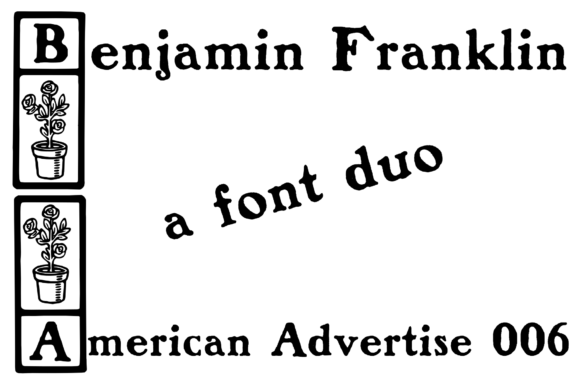
Understanding what makes this duo special starts with its two component parts. The "American Advertise" half is a premium display font rooted in the ornate, embellished character sets of the American Type Founders (ATF) classic heritage. Think of the bold, decorative lettering that once graced theatre marquees, vintage product packaging, and formal certificates. It carries a sense of occasion and grandeur, perfect for headlines and showpiece elements where every letter is meant to be admired.
Its counterpart, "Benjamin," is an authentic old-book-style serif typeface. This style is directly inspired by the typography found in historical texts and rare publications, offering a more readable, body-friendly character. It sustains the nostalgic allure but does so with a quieter, more scholarly elegance. Together, they create a dynamic contrast: one font shouts with vintage flair, the other whispers with timeless sophistication.
Practical Applications: From Branding to Wedding Invitations
The true value of any creative asset lies in its application. This font duo is designed not for theoretical typography, but for real-world projects across multiple industries.
- Branding and Logo Design: Use the "American Advertise" variant for a bold, memorable logo mark or wordmark that instantly communicates heritage and quality. Pair it with "Benjamin" for taglines, body copy on business cards, or website headers to maintain a cohesive vintage-modern identity.
- Packaging and Labels: For products like craft spirits, artisanal foods, boutique cosmetics, or luxury goods, the "American Advertise" style can create striking shelf appeal on the main label, while "Benjamin" provides clear, elegant information for ingredients and descriptions.
- Print Materials & Editorial Design: The duo excels in creating sophisticated invitations (especially for weddings, galas, or formal events), book covers, magazine mastheads, and restaurant menus. The display font draws the eye, and the serif font ensures longer text blocks are comfortable to read.
- Digital Presence: Contrary to popular belief, vintage-inspired fonts can work beautifully online. Use "American Advertise" for hero section headlines on a website, social media graphics, or digital ad banners to create a strong visual hook. "Benjamin" can serve as a unique yet readable choice for blog post titles or pull quotes.
- Merchandise and Marketing Assets: From tote bags and t-shirts to posters and promotional flyers, the fonts provide a ready-made aesthetic that feels curated and intentional, helping merchandise stand out with a professional, designerly touch.
Matching Typography to Your Project Goals
Choosing the right font style is less about personal preference and more about strategic communication. Ask yourself: what is the core message or feeling of my project? The "Benjamin Franklin PLUS American Advertise 006" duo is ideal for projects aiming to convey:
- Heritage and Trust: Financial institutions, law firms, heritage brands, or any business built on legacy and reliability.
- Craft and Artisanship: Small-batch producers, studios, independent publishers, and makers who want to highlight handcrafted quality.
- Elegant Occasion: Event planners, luxury hospitality, high-end fashion, and formal communications where a sense of ceremony is required.
- Intellectual Depth: Bookstores, literary blogs, educational platforms, or museums that want to evoke a sense of knowledge and history.
Always consider your audience. This font pairing resonates strongly with adults who appreciate classic aesthetics, history, and quality—it may be less effective for projects targeting a young, minimalist, or ultra-modern tech audience unless used with very intentional contrast.
Ensuring Professional Presentation and Readability
A beautiful font loses its power if it's hard to read. Here’s how to use this duo effectively:
- Respect Hierarchy: Use "American Advertise" exclusively for large, short text elements—titles, logos, single words. Its intricate details will blur and become illegible at small sizes.
- Body Copy Best Practices: For paragraphs, "Benjamin" is your workhorse. Ensure sufficient line height (leading) and a comfortable font size (typically 14px-18px for web, 10pt-12pt for print) to maintain readability.
- Test Pairings: While these two are designed to work together, always test them in context. Place a headline in "American Advertise" next to a line of text in "Benjamin" and view it at the intended size. Does the hierarchy feel clear and balanced?
- Licensing Clarity: Before finalizing a commercial project, always verify the font license. A premium commercial font like this typically includes licenses for print, web, and social media use, but it's crucial to read the terms to ensure your specific application is covered, especially for merchandise or large-scale advertising.
By thoughtfully applying the "Benjamin Franklin PLUS American Advertise 006" font duo, you're not just selecting typefaces; you're adopting a visual language. It's a tool for building brand recognition, ensuring visual consistency, and crafting a professional presentation that engages your audience by tapping into a deep well of stylistic heritage. The result is work that doesn't just look good, but feels substantial and intentionally crafted.