Bad Baltimore: Command Attention with Bold, Beveled Typography
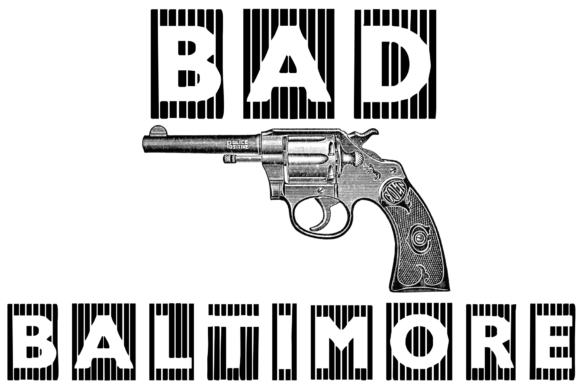
You know the feeling when you see a poster from across the room and it just grabs you? Or a logo that feels like it’s shouting its name in a confident, booming voice? That’s the power of a typeface that doesn’t whisper. Bad Baltimore is exactly that kind of font—a premium display typeface built for moments when you need to be heard. It’s a beveled, all-caps serif with a distinct vintage industrial character, perfect for titles, headlines, and any design where impact is non-negotiable.
A Typeface with Built-In Dimension
What sets Bad Baltimore apart is its three-dimensional, beveled effect. Each letter appears to be carved or stamped, with a shadow and highlight that give it a tangible, physical presence. This isn’t just another bold font; it has the weight and texture of old metal type or embossed leather. The design is purely uppercase, which reinforces its no-nonsense, authoritative feel. Think of classic brewery logos, vintage circus posters, or the lettering on an old toolbox—that’s the visual language it speaks. It’s a creative font that carries history and craftsmanship in its curves.
Where This Display Font Truly Shines
Knowing when to use a typeface like this is key. Its strong personality makes it a specialist, not a generalist. You wouldn’t set a long paragraph with it, but for the right project, it’s transformative.
- Logo Design & Brand Identity: It’s a natural fit for brands that want to project strength, heritage, or a rugged, hands-on quality. Think craft distilleries, barbershops, construction companies, or outdoor apparel brands. The font itself becomes a core part of the brand identity.
- Posters & Event Graphics: This is where it feels most at home. For concert posters, festival banners, or promotional flyers, Bad Baltimore delivers instant visual hierarchy and a vintage charm that’s hard to ignore.
- Packaging Design: On a product label or a box, the beveled texture adds a tactile quality that suggests premium craftsmanship. It works wonderfully for gourmet sauces, specialty beers, or artisanal coffee packaging.
- Social Media & Marketing Assets: Use it for bold headlines on Instagram graphics, YouTube thumbnails, or email newsletter headers. It stops the scroll and makes a statement in a crowded feed.
- Merchandise & Apparel: The font’s style translates perfectly to t-shirts, hats, and tote bags. It has a built-in “logo” feel that makes simple text look like designed merchandise.
Practical Tips for Working with a Bold Typeface
Integrating a powerful display font into your designs requires a thoughtful approach. Here’s how to get the most out of it without overwhelming your audience.
Pair it wisely. Because Bad Baltimore has such a strong voice, it needs a quieter partner. Pair it with a clean, simple sans-serif font for body text. A classic like Helvetica, Arial, or a modern geometric sans will provide excellent readability and let the headline font be the star. Avoid pairing it with other decorative or script fonts, as they’ll compete for attention.
Mind the context. While it’s fantastic for a poster or a logo, using it for website body copy would be a mistake. Its strength is in short bursts. Use it for main headings (H1, H2), pull quotes, or call-to-action buttons where you need maximum impact in minimal space.
Test for readability. Always check how your chosen font looks at the size it will be used. The beveled details might get lost at very small sizes, so it’s best reserved for larger applications. Also, ensure there’s enough contrast between the text color and the background for the 3D effect to read clearly.
Explore the included styles. Many premium fonts like this come with a family of variations. Check if Bad Baltimore includes different weights, a regular style without the bevel, or alternate characters. Having these options gives you more flexibility to maintain visual consistency across different parts of a project while still using the same typeface family.
Aligning Typography with Your Project Goals
Choosing a font is a strategic decision. The typeface you select communicates mood, era, and values before a single word is read. Ask yourself what your project needs to say. If the goal is to convey tradition, reliability, and solid construction, a beveled serif like this is a perfect match. If you’re aiming for sleek, futuristic, or minimalist, you’d look elsewhere.
Consider your audience. This font resonates with people who appreciate vintage aesthetics, craftsmanship, and bold design. It’s less about delicate sophistication and more about confident, straightforward presentation. For a small business owner creating a brand, using such a distinct typeface can be a powerful tool for brand recognition. When customers see that specific lettering style repeatedly on your signage, website, and packaging, it builds a strong visual memory.
Finally, always review the commercial license. Ensure the font is cleared for your intended use, whether it’s for a client project, merchandise for sale, or digital products. A legitimate license protects your work and supports the designers who create these valuable assets.
In the end, Bad Baltimore is more than just a set of letters. It’s a tool for making a statement. It’s for the designer who needs to cut through the noise, the entrepreneur building a brand with backbone, or the content creator crafting a visual identity that sticks. When your project calls for authority and a touch of vintage flair, this typeface delivers it in spades.