Architect Designer: A Font for Creative Visionaries
There's a moment in every creative project where the typography either lifts the entire design or quietly undermines it. You've spent hours perfecting a logo layout, refining your packaging mockup, or drafting a social media carousel—and then you hit the font dropdown. Nothing feels quite right. The typeface is too stiff, too playful, too generic. What you need is something that carries personality without screaming for attention, something that feels crafted rather than mass-produced. That's the space where a font like Architect Designer lives, and it's worth understanding why that matters for your work.
A Typeface That Balances Warmth and Structure
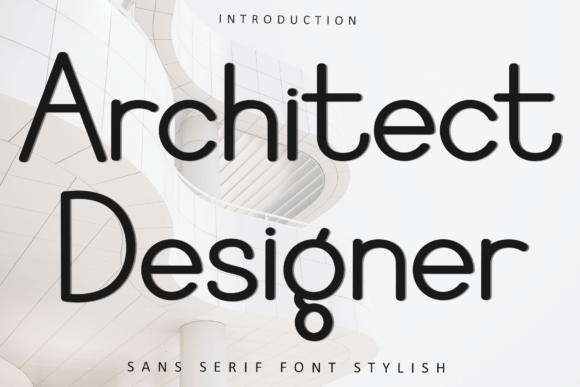
Architect Designer isn't trying to be everything to everyone, and that's precisely its strength. It carries a soft, organic quality in its strokes—rounded edges, gentle curves, and a hand-lettered feel that gives it genuine character. Yet it doesn't abandon structure. The letterforms maintain enough consistency and legibility to function in professional contexts, which is a surprisingly rare combination in the world of display fonts.
What makes this typeface visually appealing is the tension between its artistic looseness and its underlying discipline. Each character feels intentional, as though someone sat down with a pen and carefully considered how every letter should move. The result is a font that reads as human and approachable without looking amateurish or chaotic. For designers, marketers, and business owners who want their visual communication to feel both polished and personal, that balance is invaluable.
Where This Font Shines in Real Projects
Let's talk about actual use cases, because a font's value isn't theoretical—it's measured by how well it performs when the stakes are real.
Branding and Logo Design
If you're building a brand identity from scratch or refreshing an existing one, Architect Designer works beautifully as a primary or secondary typeface. Its distinctive character helps a brand feel memorable without relying on trendy effects that age poorly. Think about boutique bakeries, independent skincare lines, lifestyle blogs, or creative agencies—businesses where personality and trust need to coexist in the visual language. The font's warmth makes it feel approachable, while its refinement keeps it credible.
Packaging and Product Design
On packaging, typography does heavy lifting. It needs to communicate what the product is, who it's for, and what experience the buyer can expect—all in a glance. Architect Designer handles this well because its soft strokes suggest care and craftsmanship. Use it on artisan goods, handmade products, subscription box branding, or any packaging where the goal is to signal quality and thoughtfulness. It pairs especially well with clean sans serif fonts for body copy, letting the display type do the emotional work while supporting text stays readable.
Social Media Graphics and Digital Content
Social platforms are noisy environments. Your typography needs to stop a scroll, communicate a message quickly, and feel cohesive with your broader brand. Architect Designer brings enough visual interest to anchor a quote graphic, a promotional banner, or an Instagram story template without relying on heavy effects or busy backgrounds. Its legibility at various sizes makes it practical for the quick-glance nature of social media, and its personality helps content feel curated rather than templated.
Websites and Blogs
For web design, this typeface works best as an accent—headlines, hero text, pull quotes, or section headers where you want to inject personality. Pairing it with a clean, neutral body font creates a visual hierarchy that guides the reader's eye and keeps long-form content comfortable to read. Bloggers and content creators who want their sites to feel distinctive without sacrificing usability will find it a strong addition to their typography toolkit.
Print Materials, Invitations, and Editorial Layouts
Wedding invitations, event posters, magazine headers, business cards, thank-you cards—these are contexts where typography carries enormous weight. Architect Designer's hand-lettered quality makes it feel special and intentional, exactly the kind of energy you want on a printed piece that someone will hold in their hands. It's the font equivalent of a handwritten note versus a typed memo: both communicate, but one feels considerably more personal.
Merchandise and Marketing Assets
For entrepreneurs selling merchandise—tote bags, mugs, stickers, apparel—a creative font can be the entire design. Architect Designer has enough visual presence to stand alone as a typographic design element on products, and its versatility across applications means you can use it across your entire product line for visual consistency.
Practical Considerations Before You Commit
Choosing a font isn't just about falling in love with how it looks in a preview. Here are a few things worth thinking through before integrating Architect Designer—or any premium font—into your workflow.
Test It in Context
Don't just look at a font specimen sheet. Drop it into your actual project files. See how it looks next to your brand colors, your photography, your other typefaces. A font that looks stunning in isolation might clash with your existing visual system, or it might fit like it was always meant to be there. You won't know until you test it in the real environment where it will live.
Consider Font Pairings
Architect Designer has a strong personality, which means it benefits from thoughtful pairing. A geometric sans serif or a simple serif font for body copy creates contrast and keeps the overall design balanced. Avoid pairing two display fonts with similar energy—that's where designs start to feel cluttered and confusing. The goal is complementary contrast, not competition.
Check the Included Styles
Before purchasing or downloading, review what styles and weights are included. Does the font come with uppercase and lowercase? Are there numerals, punctuation marks, and special characters you need? If you work across multiple languages or need specific symbols, verify those are supported. Knowing exactly what you're getting prevents frustration mid-project.
Understand the Licensing
This is especially important for commercial use. If you're using Architect Designer for client work, merchandise, digital products, or marketing materials, make sure the license covers your intended use. Some fonts are free for personal projects but require a commercial license for business applications. This isn't a corner worth cutting—proper licensing protects you and respects the work of the type designer who created the font.
Think About Readability Across Sizes
A font that looks gorgeous at 72 pixels might become difficult to read at 14 pixels. Consider where your text will appear and at what scale. Architect Designer's clean letterforms hold up reasonably well across sizes, but like any display font, it performs best at larger scales where its character can breathe. For small body text, lean on a more neutral companion typeface.
Building a Visual System That Feels Cohesive
One of the most overlooked aspects of design is consistency. A brand that uses five different fonts across its website, social media, packaging, and print materials feels scattered and unprofessional—even if each individual font is beautiful. The real power of a typeface like Architect Designer comes from using it strategically and consistently across your touchpoints.
Choose it as your signature display font. Use it on your logo, your headers, your packaging titles, your social media templates. Let it become part of your visual fingerprint. When someone sees that distinctive lettering, they should begin to associate it with your brand before they even read the words. That's how typography moves from decoration to genuine brand recognition.
Pair it with one or two supporting fonts—a clean sans serif for body text, perhaps a simple serif for editorial contexts—and commit to that system. Document it. Share it with anyone who creates content or materials for your brand. Visual consistency isn't about rigidity; it's about creating a recognizable language that audiences learn to trust over time.
Why the Right Font Is a Strategic Decision
Typography is often treated as an afterthought—a final flourish applied once the "real" design work is done. But anyone who's worked in branding, marketing, or visual communication for any length of time knows that font choices shape perception in profound ways. They signal tone, establish hierarchy, guide the reader's eye, and create emotional associations that words alone cannot.
Architect Designer offers something genuinely useful for creative professionals and hobbyists alike: a typeface with enough personality to make designs feel distinctive, enough versatility to work across multiple applications, and enough refinement to maintain professionalism. Whether you're designing a brand identity for a new client, creating a line of merchandise, building a blog, or crafting social media content that actually stops the scroll, having a font in your toolkit that feels both human and polished is a practical advantage.
The best typography decisions aren't about chasing trends or collecting the most fonts. They're about finding the right visual voice for the message you're trying to communicate—and then using it with intention. For projects that need warmth, character, and a sense of thoughtful craftsmanship, this typeface deserves serious consideration.